1. Client background and needs
Workshop Focus: Sales Skills, Negotiation Skills, Negotiation Competency Assessment, Sales and Negotiation Methodology, Practical Negotiation Simulation
Client Industry: A leading global consumer health, personal‑care and fast‑moving consumer goods enterprise listed on the New York Stock Exchange in the United States
Workshop Date: July 2026
Workshop Language: 100% Chinese
External Factors:
1. The domestic consumer market for general‑health products is highly competitive. The bargaining power of clients across supermarket, e‑commerce and chain channels keeps increasing. Business models are shifting toward annual contracts, resource swaps and in‑depth strategic cooperation. Frequent business negotiations are taking place, placing higher demands on negotiation capabilities.
Internal Requirements:
1. The company’s China division covers multiple business lines including provincial clusters, regional branches, e‑commerce and strategic clients. As it advances its omnichannel development strategy, it frequently encounters complex negotiation scenarios such as new‑product onboarding and in‑depth strategic cooperation.
2. The existing sales management team has deficiencies in negotiation capabilities: they tend to make concessions passively in key‑client negotiations, lack differentiated short‑ and long‑term negotiation strategies, have no unified negotiation standards, and conduct insufficient post‑negotiation reviews, making it difficult to balance profit and client partnerships.
What are specialized negotiation‑focused sales management talents
Versatile sales managers who possess systematic negotiation thinking, strictly uphold corporate bottom lines, balance profits and client demands, build win‑win partnerships, and sustain long‑term growth in revenue, profit and distribution channels.
Talent Development Approaches:
1. Sources: Internal empowerment via the Complete Negotiation systematic training program plus practical post‑case reviews. Internal talent development delivers high stability and strong alignment with business realities.
2. Trainee Selection: Select participants based on job roles, business priorities and channel characteristics, and deploy differentiated negotiation tools and methodologies.
2. Customer's need analysis and current situation
1. Client background and needs
Workshop Focus Subjects: Sales Skills, Negotiation Skills, Negotiation Competency Assessment, Sales and Negotiation Methodology, Practical Negotiation Simulation.
Client's Industry: A well‑known leading US‑listed NYSE enterprise in the home, personal‑care and fast‑moving consumer goods sector。
Workshop Language: 100% English (with on‑site Chinese support)
Workshop Date: August 2026
2. Customer's need analysis and current situation
1. Enhance Practical Negotiation Competence
Help sales managers move beyond experience‑based negotiation and master systematic negotiation strategies and adaptive skills. Effectively handle complex scenarios including large‑client price bargaining, deadlocks and interest games, and boost negotiation success rates.
2. Unify the Team’s Negotiation System
Align all team members on negotiation tools, analytical logic and decision‑making criteria, eliminate discrepancies in approaches across different ranks, unify internal communication terminology, and improve collaboration efficiency before and after negotiations.
3. Empower Capability Cascading Within the Team
After completing the training, managers can pass on negotiation methodologies, tools and review practices to front‑line staff, translating individual expertise into the overall operational capability of the team.
4. Fully Practical Scenario‑Based Training
Move away from pure theoretical instruction. Prioritize workshop simulations, case reviews and role‑playing exercises. Focus on real‑world business pain points such as quotation, concession‑making and deadlock‑breaking to ensure knowledge can be applied in practice.
5. Secure Long‑Term Implementation of Training Outcomes
Provide supporting standardized negotiation toolkits and review templates to build reusable methodologies. Embed learning outcomes into daily work standards for sustained performance improvement.


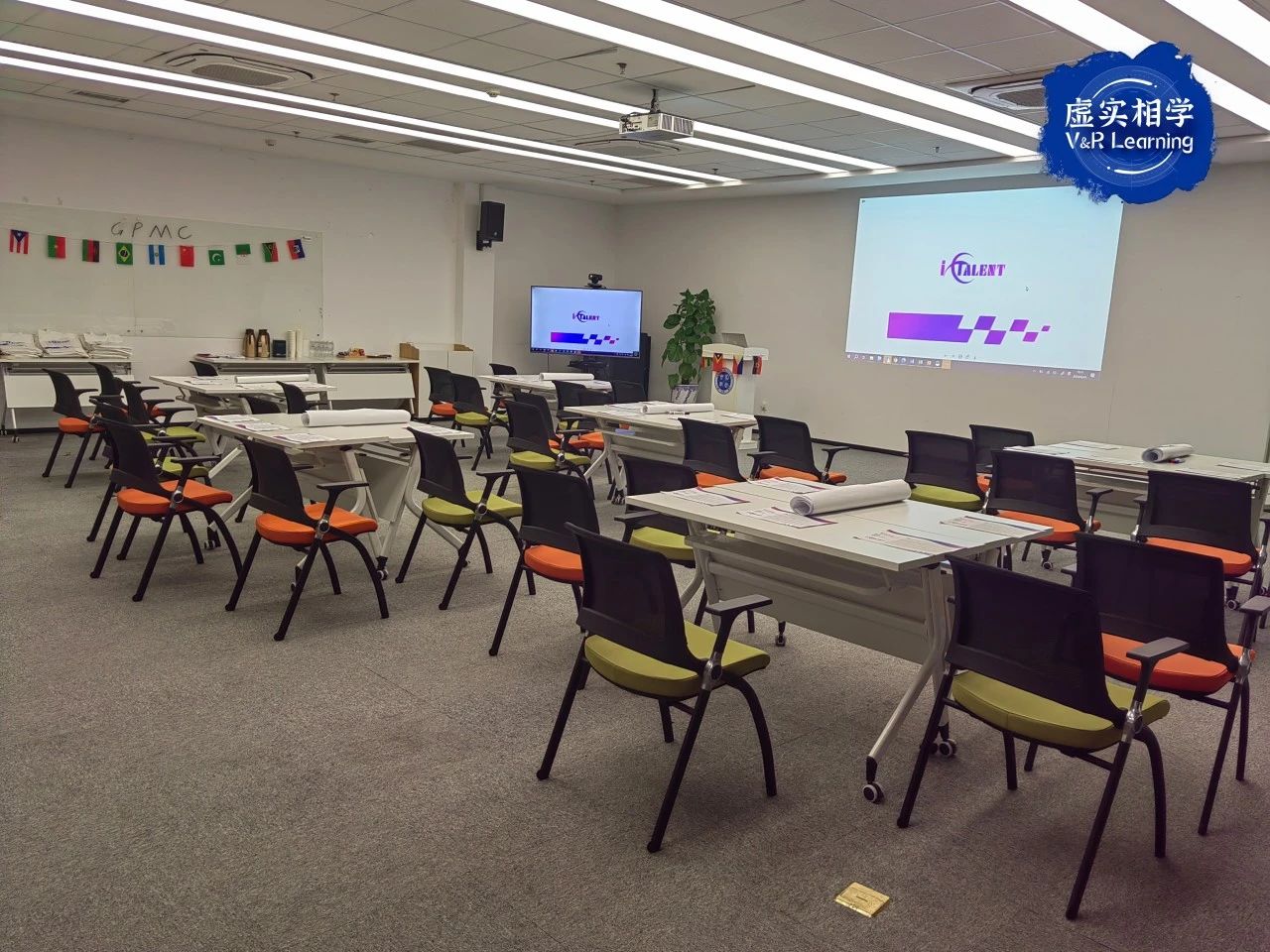

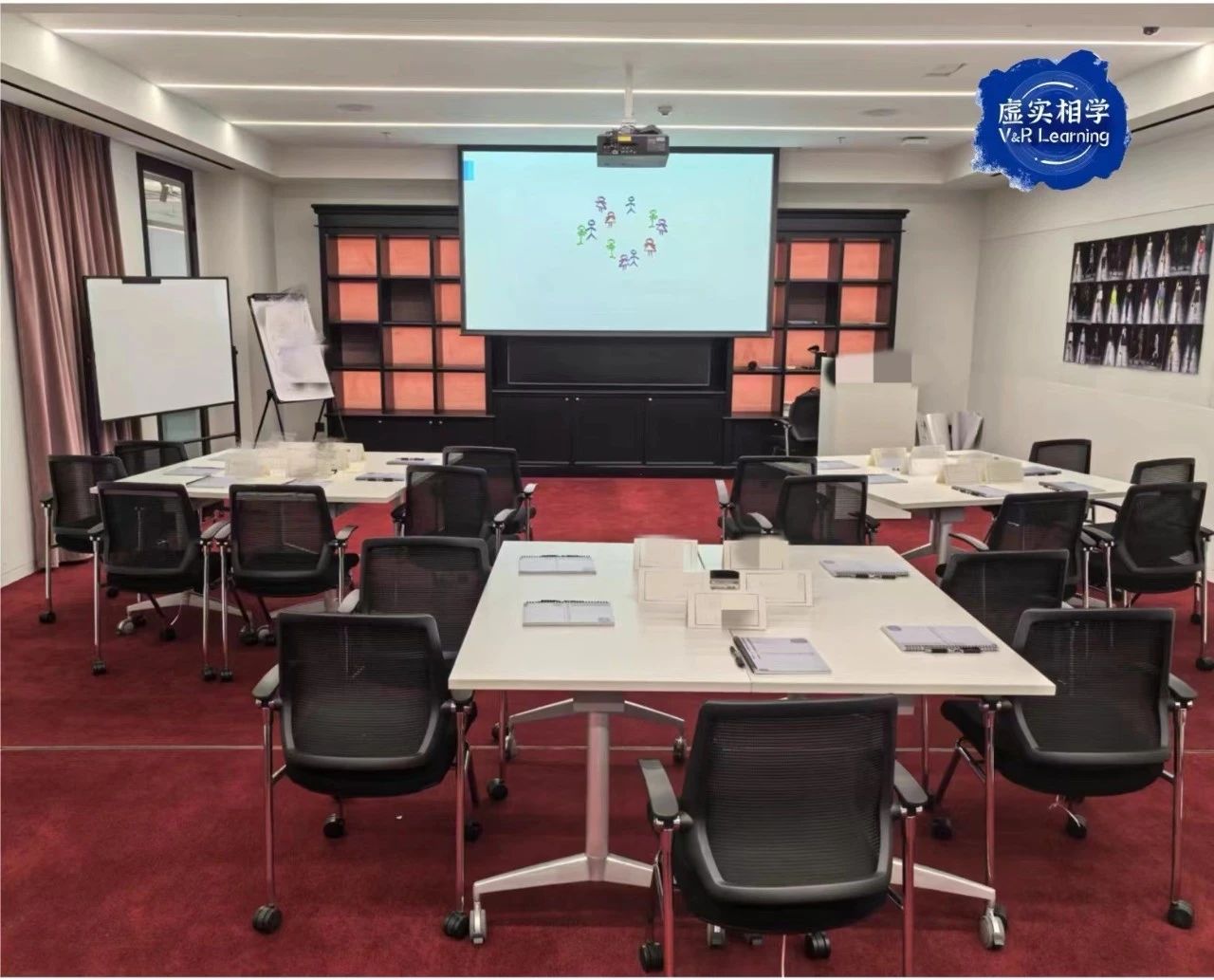


 1. Client background and needs Workshop Focus and Category: Leadership, Team Communication, Collaboration and Work, VR technology application in the corporate learning field Customer Industry: A world's largest independent non-listed European enterprise in the testing, inspection, and certification sector Workshop Time (Year): OCT 2024 Facilitation Language: 100% English 2. Customer's need analysis and current situation The customer held an internal meeting and training for the top management of the Asia-Pacific region in Shanghai, China, which lasted nearly a week. In order to integrate the nearly 20-member international team into "ONE TEAM", the customer also elevated the leadership theme of "Teamwork, Collaboration and Communication" to the highest level of the internal meeting. The human resource department of this customer is looking for supports and cooperations from external experts. Hopefully speaking, all participants can enjoy an extremely different experience, feel they are empowered strongly and finally gain what they want with the world's most cutting-edge XR technology. 3. V&R Learning's solution: